AI SEO in 2026: How to Get Cited by ChatGPT and Perplexity
Traditional SEO is not enough anymore. Learn how Answer Engine Optimization (AEO) works and what you need to do to get your content cited by AI assistants.
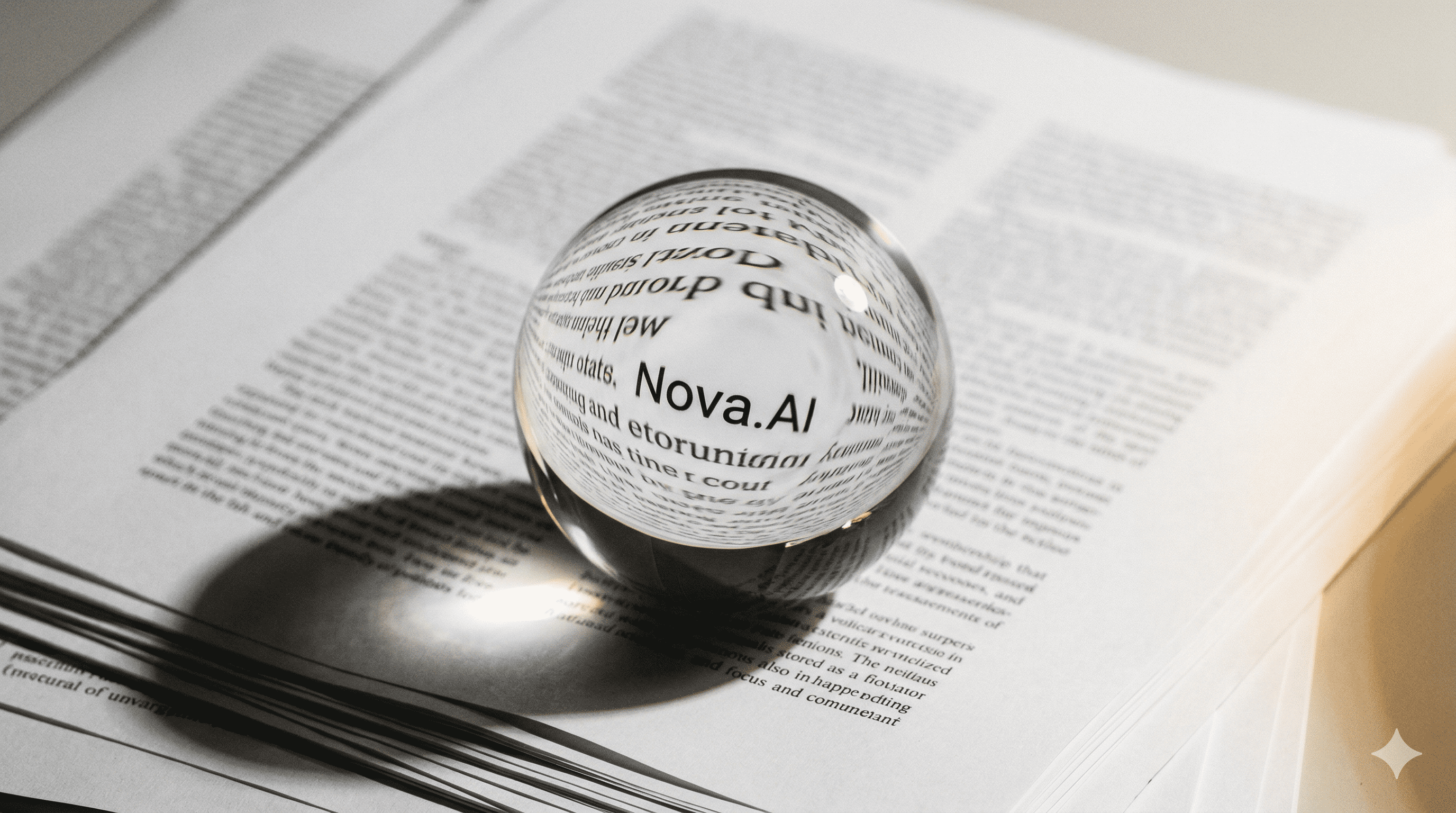
The Search Landscape Has Fractured
For two decades, SEO meant one thing: rank on Google. You researched keywords, optimized meta tags, built backlinks, and climbed the results page. That playbook still matters, but it is no longer sufficient.
In 2026, a growing share of information queries never reach a traditional search engine. Users ask ChatGPT, Perplexity, Claude, and Gemini directly. These AI assistants synthesize answers from multiple sources and present them in a conversational format. If your content is not in the training data or the retrieval index of these systems, you are invisible to a rapidly growing audience.
Key takeaway: Answer engines are the new front page. If your content is not structured for AI retrieval, you are losing visibility every day.
How AI Assistants Choose Sources
Understanding how LLMs select and cite sources is the foundation of Answer Engine Optimization (AEO). While the exact algorithms vary, several patterns are consistent:
- Authority signals. AI assistants prefer content from domains with established expertise. Consistent publishing on a focused topic builds topical authority over time.
- Structured content. Clear headings, concise definitions, and well-organized information are easier for AI systems to parse, extract, and cite.
- Recency. For time-sensitive topics, newer content is preferred. Regular updates signal that your content is maintained and current.
- Uniqueness. Original research, unique data, and first-person case studies are more likely to be cited than rewritten versions of existing content.
- Schema markup. Structured data (JSON-LD) helps AI systems understand what your content is about, who wrote it, and when it was published.
AEO Strategies That Work
Write Definitive Answers
AI assistants look for content that directly and completely answers a question. Structure your content with the question as a heading and the answer in the first paragraph below it. This pattern -- sometimes called the "inverted pyramid" -- makes it easy for AI systems to extract a clean answer with attribution.
Use Schema Markup Everywhere
JSON-LD structured data is the language that search engines and AI systems use to understand your content. At minimum, implement Article schema on every blog post, Organization schema on your homepage, and FAQ schema on relevant pages.
Build Topical Clusters
Do not write one post about a topic and move on. Build clusters: a pillar page that covers the topic broadly, supported by detailed posts on subtopics. This structure signals deep expertise to both Google and AI retrieval systems.
Create Visual Content as a Differentiator
Here is the under-appreciated advantage: most AI training data is text. Original images, diagrams, and videos that illustrate your points are harder for competitors to replicate and more likely to earn links and citations. Build visual content pipelines with Nova to produce original illustrations at scale.
Key takeaway: AEO is not a replacement for traditional SEO. It is a layer on top. The fundamentals -- great content, clear structure, topical authority -- are the same. The execution is more deliberate.
The Role of Visual Content in AI SEO
Text-only content is increasingly commoditized. AI can generate a thousand-word blog post in seconds, which means the internet is flooding with generic text. What AI cannot easily replicate is original visual content that illustrates specific concepts with your brand's perspective.
Original images, infographics, and short videos serve a dual purpose:
- They earn backlinks. Other sites are more likely to link to content with original visuals.
- They increase dwell time. Visitors spend more time on pages with rich media, which signals quality to search engines.
- They appear in image and video search. A whole category of traffic that text-only content cannot capture.
Practical AEO Checklist
- Add JSON-LD Article schema to every blog post
- Use clear H2/H3 headings that match common questions
- Include a concise, direct answer within the first 100 words of each section
- Publish on a consistent schedule (weekly minimum)
- Build topical clusters around your core subjects
- Create original visual content for every post
- Monitor AI citation tools to track where your content appears
Key takeaway: The brands that invest in AEO now will compound their visibility as AI-powered search continues to grow. Start with structure and schema, then build depth and originality over time.
What Will You Create Today?
Join creators using Nova to build visual AI workflows — from quick templates to advanced model chains.
Get Started Free